The headline number is not revenue
- Approved proposals
- ₹2.12 lakh croreThe figure is an estimated procurement value, not signed orders.
- Domestic sourcing
- 82%The Ministry of Defence said approximately this share would be procured from Indian industry.
- Decision date
- 26 October 2026The Defence Acquisition Council was chaired by Defence Minister Rajnath Singh.
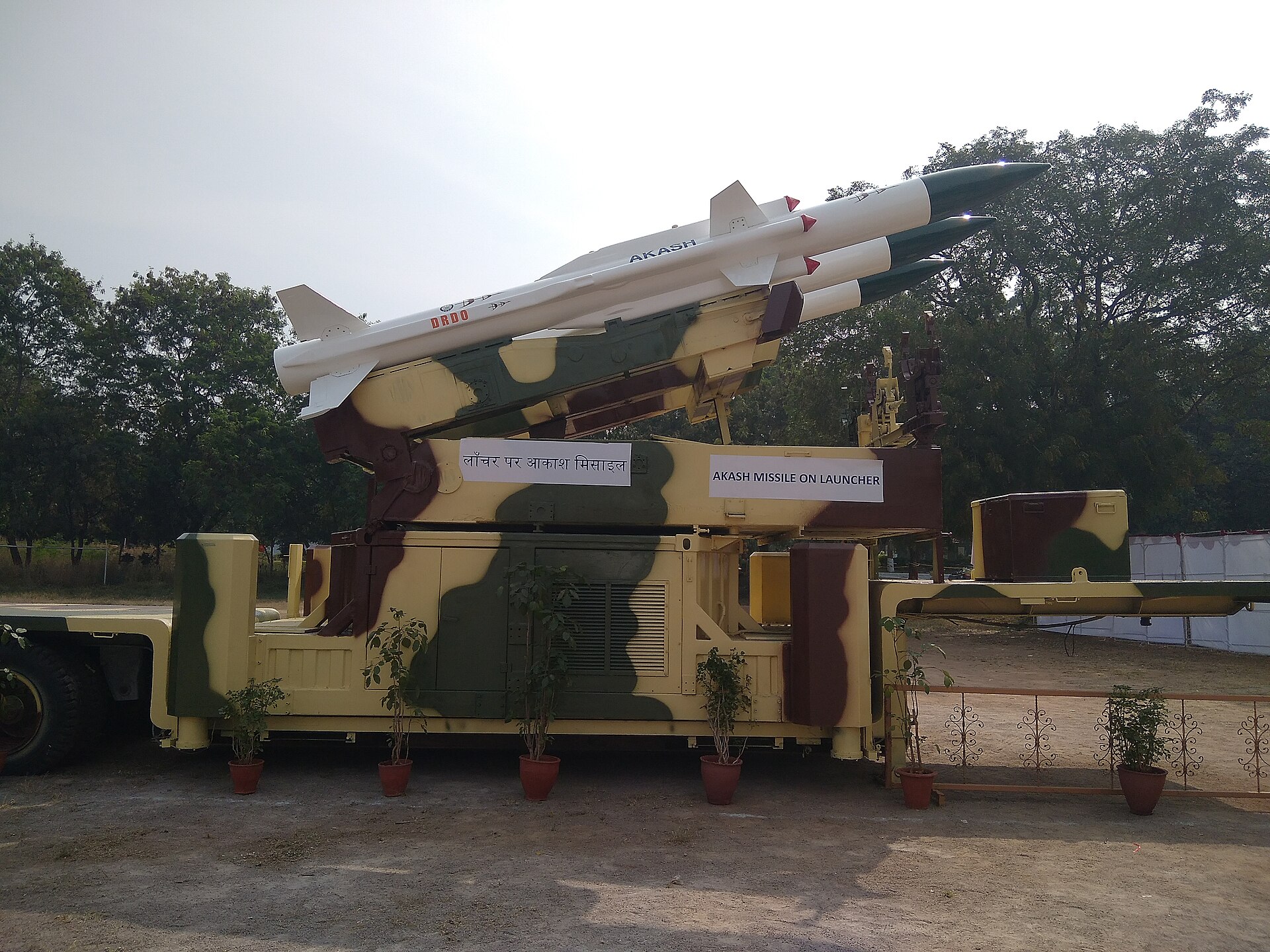
India’s Defence Acquisition Council on Monday granted Acceptance of Necessity, or in-principle administrative approval, to military procurement proposals estimated at ₹2.12 lakh crore. The Ministry of Defence said approximately 82% would be sourced from Indian industry. The proposals cover helicopters, tracked artillery, air-defence and counter-drone systems, surveillance aircraft, long-range kamikaze drones, naval platforms and radar systems. The breadth matters because it creates possible work across public-sector manufacturers, private integrators and component suppliers. Yet the government did not identify vendors, quantities, programme-level values or delivery dates. It also did not award contracts. Defence shares nevertheless rose on Tuesday, with 21 of the 22 Nifty India Defence constituents gaining in early trade and the index climbing 2.8%, according to Business Standard. The approval enlarges the addressable market, but it does not yet enlarge any company’s order book.
The clearance is strategically important, but its financial effect will arrive only through later tenders and contracts.
The approval enlarges the addressable market, but it does not yet enlarge any company’s order book.
Several gates remain before an order
- FY27 capital acquisition budget
- ₹1.85 lakh croreThis annual allocation also funds existing commitments and other acquisitions.
- FY27 defence capital outlay
- ₹2.19 lakh croreThe Union Budget allocation covers the full capital head for the defence forces.
The Defence Acquisition Procedure makes Acceptance of Necessity an early gate rather than a purchase commitment. Under the procedure now in force, the services must issue a request for proposal, evaluate technical bids, conduct field trials, complete staff evaluation, negotiate the commercial offer and obtain approval from the competent financial authority before awarding a contract. Approvals under standard Buy schemes are valid for six months. If no request for proposal is issued during that period, the service must seek revalidation or obtain a fresh approval. The ₹2.12 lakh crore headline also exceeds the government’s ₹1.85 lakh crore capital-acquisition budget for FY27. That does not imply overspending because the proposals can be contracted and paid for across several years. It does show why the whole amount cannot become near-term revenue. Existing contracts compete for the same annual budget, while advance payments, manufacturing milestones and deliveries determine when suppliers recognise sales and collect cash.
Investors cannot assign the entire approval value to earnings because several procurement gates remain.
The rally spread beyond identifiable winners
- Nifty India Defence move
- 2.8% higherBusiness Standard reported the intraday move on 27 October.
- Apollo Micro Systems move
- 8.7% higherThis was an intraday gain reported by Business Standard.
- Data Patterns move
- 8.1% higherThis was an intraday gain reported by Business Standard.
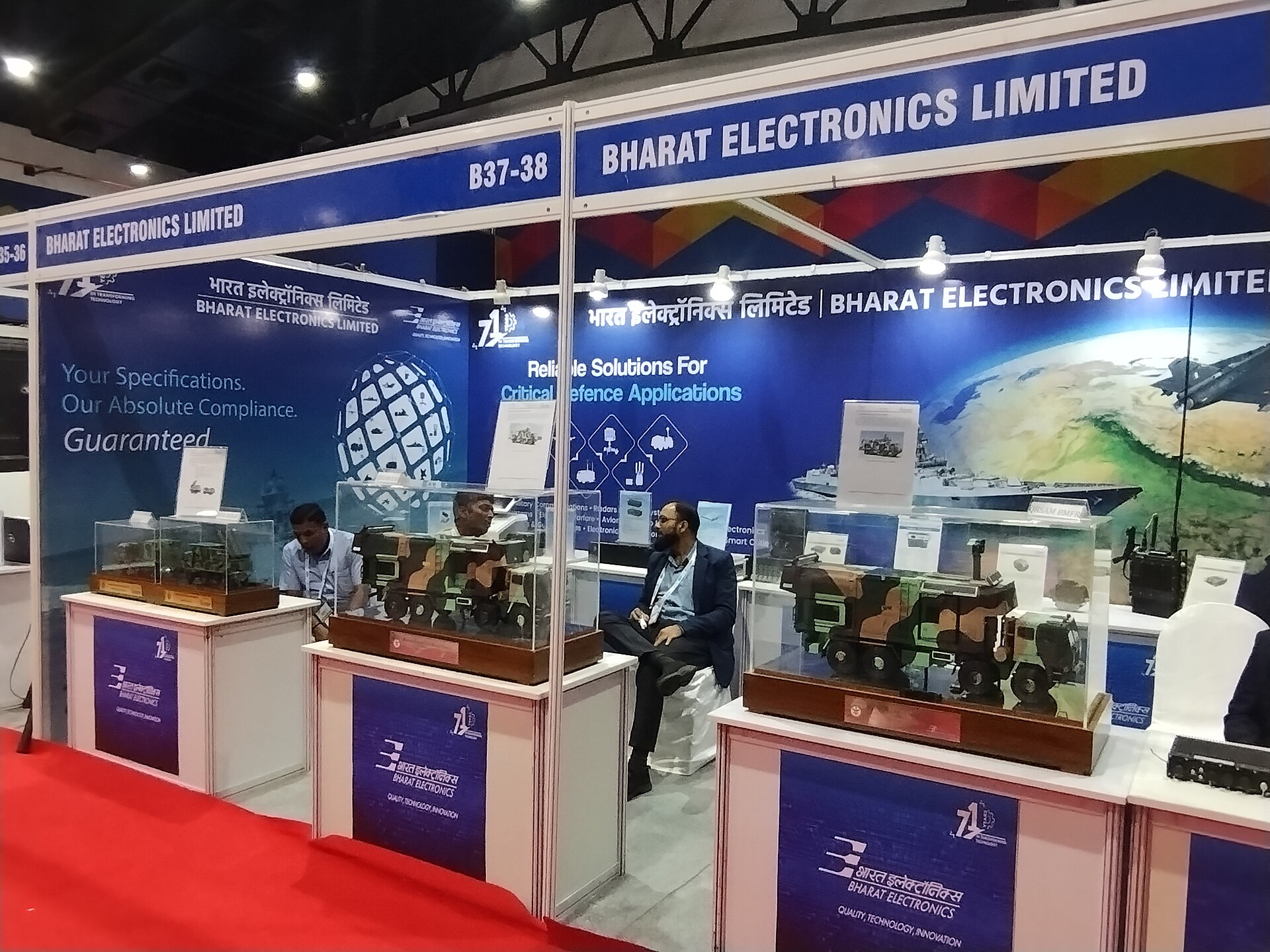
The equipment list gives Bharat Electronics and Hindustan Aeronautics the broadest visible links, but not guaranteed awards. Brokerage assessments cited by NDTV Profit connected Bharat Electronics to air defence, counter-drone equipment and electronics, and Hindustan Aeronautics to two helicopter programmes. BusinessLine also identified possible roles for BEML in high-mobility vehicles, Larsen & Toubro and Bharat Forge in tracked artillery, and Solar Industries in loitering munitions. Every link remains conditional on tender specifications, participation, trials and final vendor selection. The market response was less discriminating. Business Standard reported intraday gains of 8.7% for Apollo Micro Systems and 8.1% for Data Patterns, compared with gains of 3% to 4% for several larger state-controlled manufacturers. Smaller suppliers can record faster percentage growth from one contract, which supports some of that response. But the government disclosed no company allocations. The sharpest gains therefore rested on possible workshare rather than disclosed cash flows.
Large integrators have broader exposure, while the sharpest share moves occurred among companies whose eventual workshare is still unknown.
The bullish case has substance
- FY27 AoN approvals through October
- ₹3.84 lakh croreCNBC-TV18 reported the cumulative value after the latest decision.
- FY26 contracts signed
- ₹2.28 lakh croreBusiness Standard contrasted this with much larger approvals during the year.
- FY26 order inflow change
- 17% lowerBusiness Standard attributed the fall partly to delayed tender awards.
The strongest case against caution is that investors value a multi-year pipeline before orders arrive. The latest package takes Acceptance of Necessity approvals in FY27 through October to ₹3.84 lakh crore, according to CNBC-TV18. The 82% domestic-sourcing share also narrows the field in favour of Indian manufacturers. Demand spans platforms, sensors, weapons and expendable systems, allowing both prime contractors and specialised suppliers to participate. Capacity additions made before tender awards could then produce operating leverage when contracts arrive. That argument changes the conclusion from outright scepticism to conditional optimism. The pipeline is unusually broad, and the government’s FY27 capital outlay for the defence forces increased to ₹2.19 lakh crore from the previous year’s budget estimate of ₹1.80 lakh crore. Yet recent experience still argues against treating approval as revenue. Business Standard reported that order inflows fell 17% in FY26 despite heavy approvals, while signed contracts totalled ₹2.28 lakh crore. Domestic preference improves the probability of Indian participation, not the timing or size of any listed company’s award.
The domestic mandate and breadth of the package make the opportunity real even though the timing remains uncertain.
The requests for proposals are the next test
Investors now need disclosure at programme level. Requests for proposals will reveal quantities, technical requirements, procurement categories and eligible vendors. Trials will show whether products already developed by listed companies meet the armed forces’ specifications. Commercial bids and negotiations will then determine prices, margins and working-capital demands. Until those steps occur, the ₹2.12 lakh crore figure cannot support a company-specific revenue forecast. The distinction matters most for smaller defence shares, where one assumed programme can dominate expectations despite uncertain workshare. It also matters for established manufacturers because large order books do not guarantee quick cash conversion when production depends on testing, customer clearances and milestone billing. The first concrete test is whether the armed services issue requests for proposals within the applicable Acceptance of Necessity validity periods. Those documents, followed by named vendor selections and signed contracts, will decide how much of Monday’s clearance reaches listed-company earnings and when.
Requests for proposals will provide the first evidence that the political commitment is becoming a financeable order pipeline.
Sources
- DAP 2026 proposes transformative leap in India's defence ... - PIB · pib.gov.in
- www.ddpmod.gov.in › dap-2020-11-nov-21_0_0DAP VOL 1 - FINAL 14 DEC 20 · ddpmod.gov.in
- The Defence Decade · pib.gov.in
- 78 No. 21/Capital Outlay on Defence Services · indiabudget.gov.in
- GRSE, BEL: Defence stocks zoom up to 9% on DAC nod to ₹2.12 trn proposals · business-standard.com
- Defence Stocks In Focus: Where BEL, HAL And BDL Fit Into The Rs 2.12 Lakh Crore Push · ndtvprofit.com
- HAL, BEL, Apollo Micro: Defence stocks rally as DAC approval push, Aequs tanks 19% after Q2 · thehindubusinessline.com
- Here's why shares of Defence stocks HAL, BEL and others are reacting on Tuesday · cnbctv18.com