
The profit number cleared the bar
Tata Consultancy Services reported September-quarter net profit of ₹13,884 crore, up 14.9% from ₹12,075 crore a year earlier, according to Business Standard. Revenue rose 11.2% to ₹73,188 crore from ₹65,799 crore. The shares climbed as much as 6.16% on 9 October, Upstox reported.
The share-price reaction says the result cleared a low bar. It does not establish that TCS has restored the combination of growth and profitability that once justified its premium. Profit grew faster than revenue, but the operating margin remained below the company’s stated aspiration. Investors must therefore separate an earnings beat from a durable improvement in the business. The former can support the shares for a session. The latter requires stronger pricing, utilisation or delivery economics.
TCS delivered the profit growth investors wanted, but a 24% operating margin leaves its old profitability standard further away.
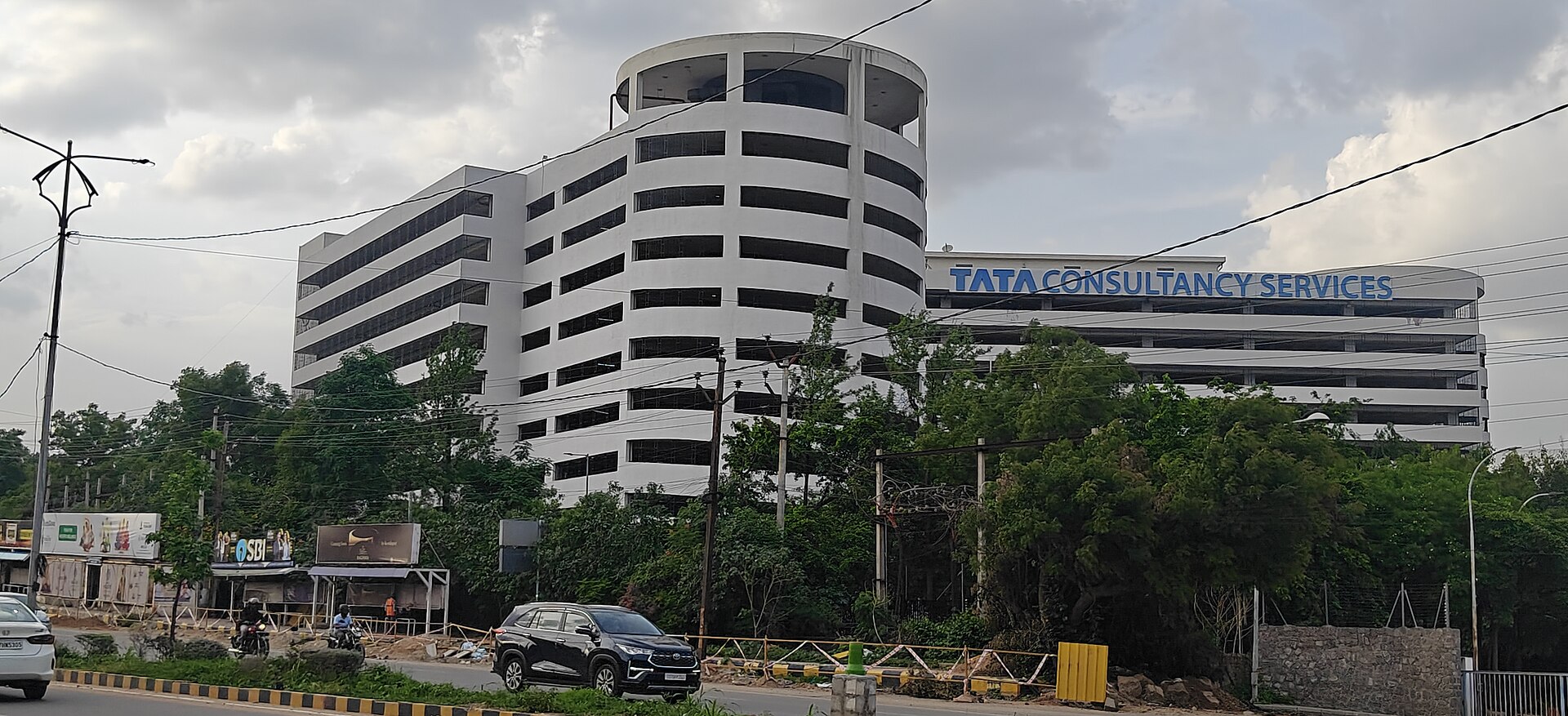
The currency tailwind did not repair margins
The operating margin was 24%, the Economic Times reported. The Hindu BusinessLine said margins declined by 120 basis points year on year despite a 9% depreciation in the rupee, leaving TCS further from its aspirational range of 26% to 28%.
The margin is the more useful signal because currency should have been supportive. A weaker rupee raises the domestic-currency value of overseas revenue, although hedging, wage costs and the timing of billing can dilute that benefit. The reported contraction despite that tailwind suggests that the problem is not merely foreign exchange. The burden shifts to execution: TCS must turn revenue growth into better operating leverage without sacrificing the spending needed for new technology capabilities. Until then, the profit increase is less persuasive than its headline suggests.
The bull case is that growth comes before leverage
The reported numbers provide real support for the positive interpretation. Net profit rose 14.9%, revenue increased 11.2%, and TCS declared a second interim dividend of ₹12 a share, according to the Economic Times. Friday’s rally was therefore grounded in disclosed earnings rather than a speculative forecast.
The strongest case against a cautious reading is that investors should value the direction of travel, not the distance from an old margin range. Revenue and profit both rose at double-digit rates, and the shares’ intraday gain indicates that the market found the result at least as strong as expected. If demand is improving, TCS may sensibly tolerate lower near-term margins while protecting client relationships and investing in capabilities that support later growth. A 24% margin also remains substantial in absolute terms. The counterargument deserves weight. It becomes less convincing, however, if the margin range remains an aspiration rather than an operating outcome. Growth bought through higher delivery costs has a different value from growth that produces operating leverage. The quarter did not yet show the latter.
The next result must prove operating leverage
TCS has given investors a strong profit figure and a weak margin signal in the same result. The market emphasised the former: the stock rose as much as 6.16%. The company’s disclosed 24% operating margin, however, remains below the 26% to 28% aspiration reported by The Hindu BusinessLine.
The central investor question is not whether TCS can continue reporting accounting profit growth. It is whether revenue growth can restore margins towards the company’s own range. If it can, the September quarter may mark the point at which earnings momentum became operationally durable. If it cannot, the 14.9% profit increase will look more like a favourable comparison than a change in the economics of the business. The next result must therefore be judged first on the conversion of revenue into operating profit, not on another headline profit beat. The decisive question is whether TCS can lift its 24% margin while sustaining the revenue growth reported this quarter.
Sources
- Business Standard, 9 October 2026: https://www.business-standard.com/markets/news/stocks-to-watch-october-9-tcs-infosys-wipro-it-stocks-anand-rathi-kec-int-l-ncc-beml-126100900116_1.html
- The Economic Times, 10 October 2026: https://economictimes.indiatimes.com/markets/stocks/earnings/news
- The Hindu BusinessLine, 9 October 2026: https://www.thehindubusinessline.com/markets/sensex-nifty50-today-stock-market-live-updates-9th-october-2026/article71560336.ece
- Upstox, 9 October 2026: https://upstox.com/news/market-news/stocks/tcs-itc-hexaware-tech-among-buzzing-stocks-as-sensex-nifty-50-trade-over-1-in-noon-deals/article-201591/