Miners captured the larger windfall
Gold traded at $4,168 an ounce on 16 October, after a two-year rally that reset the economics of mining and lifted the sales reported by Indian jewellers. The largest operating gains have occurred among established international producers. Their selling prices rose much faster than many cash costs, allowing additional bullion revenue to reach free cash flow. Newmont generated record second-quarter free cash flow of $2.2 billion on an average realised price of $4,414 an ounce.
India’s branded jewellers also grew quickly in the September quarter. Senco Gold reported provisional revenue growth of 31%, Kalyan Jewellers exceeded 26%, and Titan’s jewellery business grew 21%. Yet those figures are not equivalent to miners’ gains. A higher gold price increases a jeweller’s reported sales and average bill even if the quantity sold barely rises. Senco’s diamond-jewellery value increased 31%, for example, while volume rose 7%. The gold boom has produced its clearest financial windfall in mining cash flow, not Indian jewellery volumes. Comparable exchange-close data are also needed before the headline’s claim of unprecedented gains for all stock investors can be sustained.
The rally’s strongest operating gains have accrued to low-cost miners, while Indian jewellers have reported rapid revenue growth that partly reflects more expensive metal.
The gold boom has produced its clearest financial windfall in mining cash flow, not Indian jewellery volumes.
Official demand built the floor
The rally was not driven by one buyer. The World Gold Council says central banks accumulated an average of 1,000 tonnes annually over the past four years, twice the average of the preceding decade. Reserve managers surveyed by the council cited geopolitical uncertainty, inflation protection and diversification among their reasons for holding more gold. Such purchases tend to move slowly and are less sensitive to price than jewellery demand.
Investor flows supplied a faster-moving second force. Physically backed gold exchange-traded funds attracted a record $31 billion in the third quarter of 2026. Their holdings increased by 211 tonnes during the quarter and reached a record 4,256 tonnes in September. North American funds returned to net inflows after weakness earlier in the year, while European funds had their strongest quarter on record. The pattern matters because it qualifies the geopolitical explanation. Central-bank buying provided persistent demand, but renewed portfolio demand helped sustain bullion even as bond yields rose. It also introduces risk. ETF allocations can reverse much more quickly than central-bank reserve policy.
Official buying supplied structural demand, while the return of exchange-traded fund inflows added a more cyclical source of support.
Operating leverage favoured the miners
Newmont sold about 1.2 million ounces of gold in the second quarter and realised $4,414 an ounce. It produced roughly 1.3 million attributable ounces and generated $2.2 billion of free cash flow. Management retained full-year guidance of about 5.3 million attributable ounces. Higher bullion prices therefore raised cash generation even without a production surge.
Agnico Eagle showed similar leverage. Its second-quarter realised gold price was $4,483 an ounce, helping produce net income of $1.6 billion and record free cash flow. Barrick realised $4,417 an ounce in the same quarter. Its full-year all-in sustaining cost guidance was $1,760 to $1,950 an ounce, leaving a wide implied margin at prevailing selling prices. The comparison is not entirely flattering to every miner. Agnico expected annual output near the lower end of its 3.3 million to 3.5 million-ounce range after a rock-mass movement forced a preliminary redesign at Canadian Malartic. Higher prices can mask weaker grades, disrupted mines and cost inflation. Even so, the direct link between gold prices and mine margins made international producers the cleaner financial beneficiaries.
The spread between realised bullion prices and production costs explains why miners have converted the rally into unusually large cash generation.
Indian sales grew faster than volumes
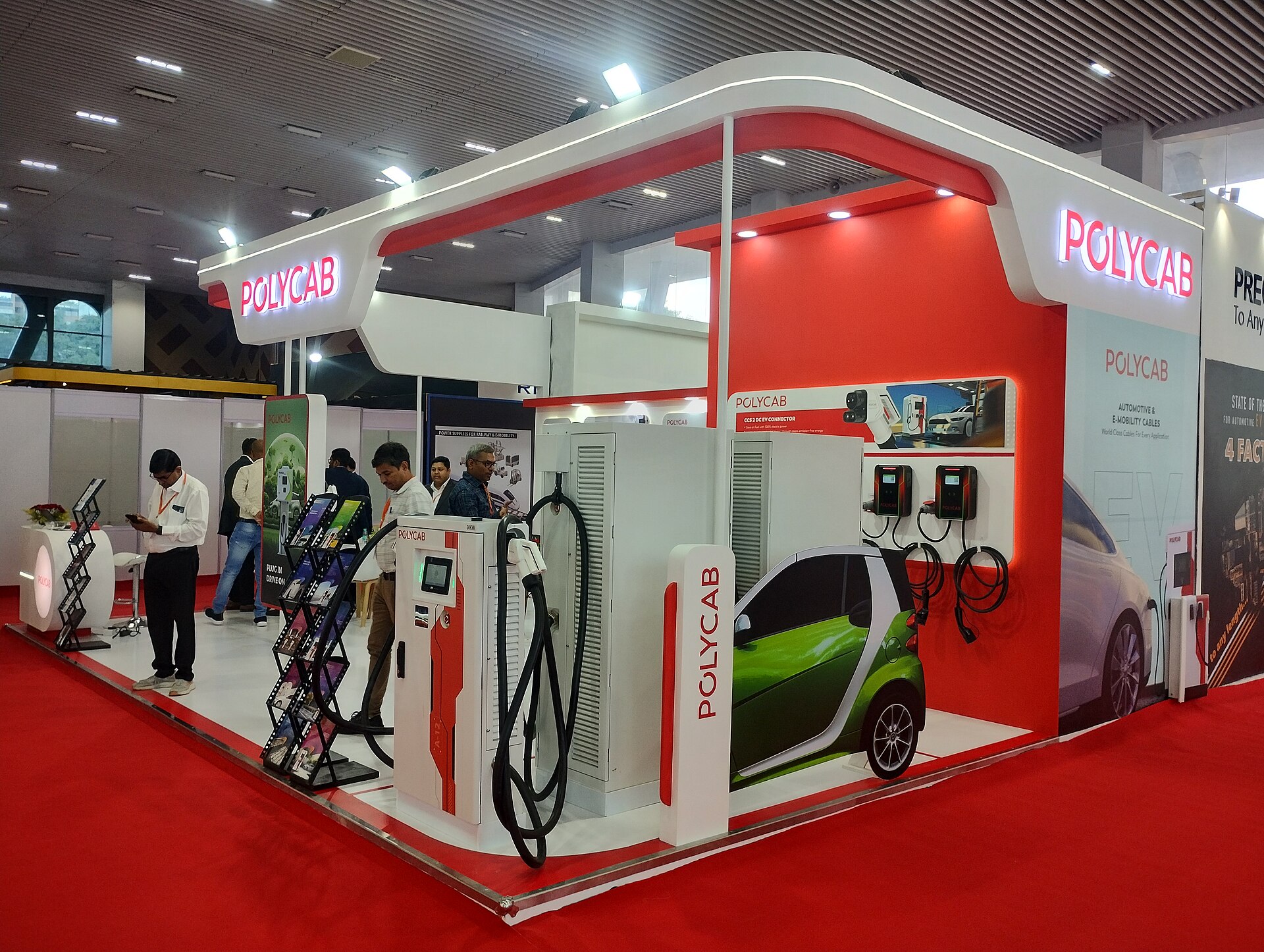
Titan said its jewellery portfolio grew 21% year on year in the September quarter. Plain-gold jewellery increased about 20%, while studded jewellery grew in the early thirties. Buyer growth was only in the mid-single digits, however, and average bills rose by double digits. Coin demand declined at a high-single-digit rate from an elevated base. Titan also added 42 jewellery stores, taking the network to 1,269. Its figures were provisional and excluded bullion and digital-gold sales.
Kalyan Jewellers reported more than 26% consolidated revenue growth. India revenue rose about 27% and same-store sales increased 20%; international revenue grew 18% and represented around 11% of consolidated sales. Senco reported 31% total revenue growth, 29% retail growth and 19% same-store growth. These are strong updates, but not pure measures of demand. Jewellers pass the metal price into the selling price, fund more expensive inventory and earn much of their economics from making charges, studded products and retail expansion. Unlike a miner, a jeweller does not automatically keep the difference between a higher gold price and a largely fixed extraction cost.
Indian jewellers are growing, but their business updates show that price, product mix and store openings matter as much as underlying customer volumes.
Retailers have the safer countercase
The strongest case against the miners is that India’s organised jewellers can compound through store openings, brand trust and market-share gains without geological risk. Kalyan’s 20% same-store growth and Senco’s 19% show that expansion was not confined to new outlets. Titan’s studded-jewellery growth also matters because design and making charges can support margins better than sales of plain gold. Retailers may therefore keep growing even if bullion stops rising.
That case narrows, rather than overturns, the conclusion. Higher ticket sizes inflated reported revenue, while Senco’s 7% diamond-jewellery volume growth lagged its 31% increase in value. Miners meanwhile face their own vulnerabilities: lower production, higher royalties, fuel costs, mine disruptions and falling realised prices can quickly reduce operating leverage. Gold itself gained only 3.7% in the third quarter, despite record ETF inflows, and was below its earlier 2026 peak by October. The next test is concrete. Indian jewellers’ audited September-quarter results must disclose margins, inventory funding and cash conversion, while Newmont, Barrick and Agnico Eagle’s third-quarter releases must show whether production and costs preserved the bullion windfall.
The counterargument is that organised Indian retailers can gain market share without accepting mining risk, but the next results must show volume, margins and cash conversion.