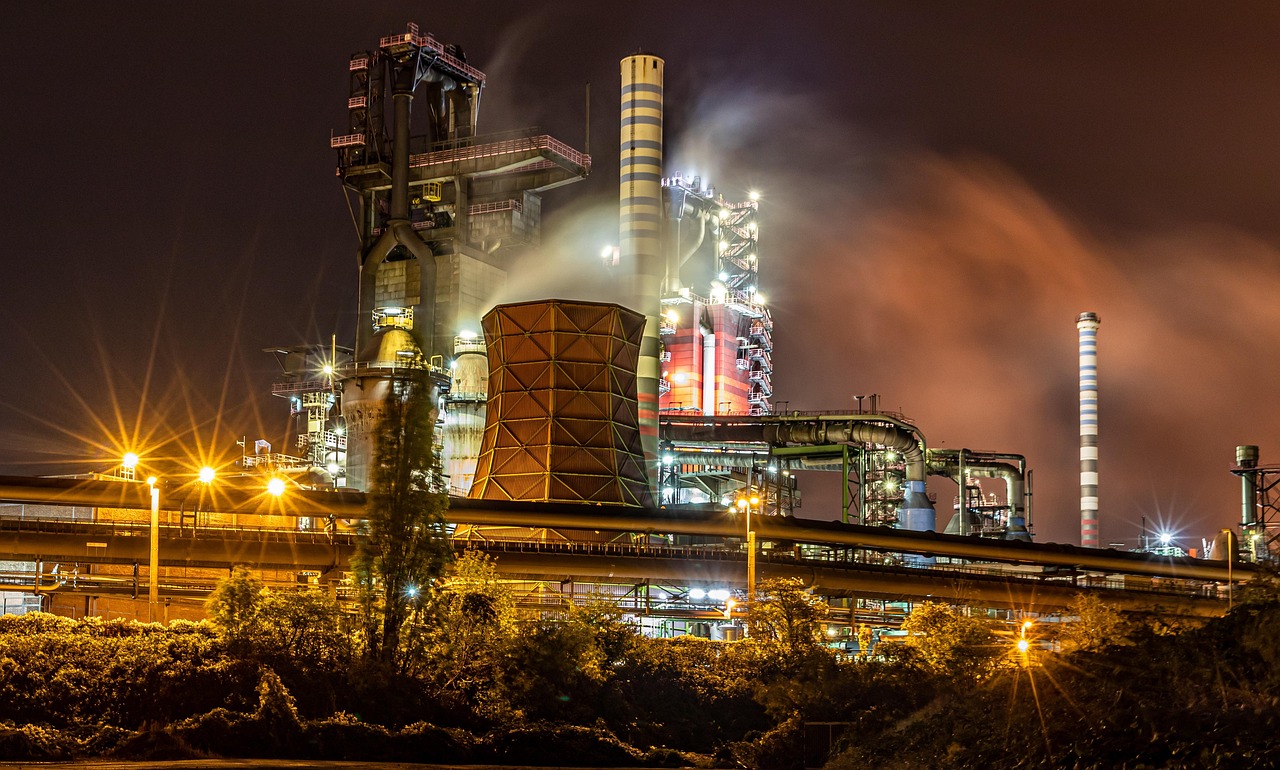
Output alone did not produce the leap
- Q2 net profit
- ₹6,412 crore, up 142%.Profit was ₹2,649 crore in the year-earlier quarter.
- Revenue from operations
- ₹15,093 crore, up 76.5%.Revenue was ₹8,549 crore a year earlier.
- Production growth
- Mined metal rose 5% and refined metal rose 7%.Mined metal reached 271,000 tonnes and refined metal reached 264,000 tonnes.
Hindustan Zinc on Monday reported a 142% year-on-year increase in consolidated net profit to ₹6,412 crore for the September quarter, as revenue rose 76.5% to ₹15,093 crore. Earnings before interest, tax, depreciation and amortisation reached ₹9,285 crore, more than double the previous year, according to the company’s results and earnings call.
Production increased far more slowly. Mined metal output rose 5% to 271,000 tonnes, while refined metal output rose 7% to 264,000 tonnes. Silver production increased 20% to 173 tonnes. The gap between those increases and the profit growth shows that commodity prices, by-product income and lower unit costs were more important than volume. That distinction matters because higher production can support earnings for years, while metal prices can reverse quickly.
The profit increase was much larger than the production increase, showing that prices, product mix and lower costs did most of the work.
The cost guidance is the durable part of the result; the commodity windfall is not.
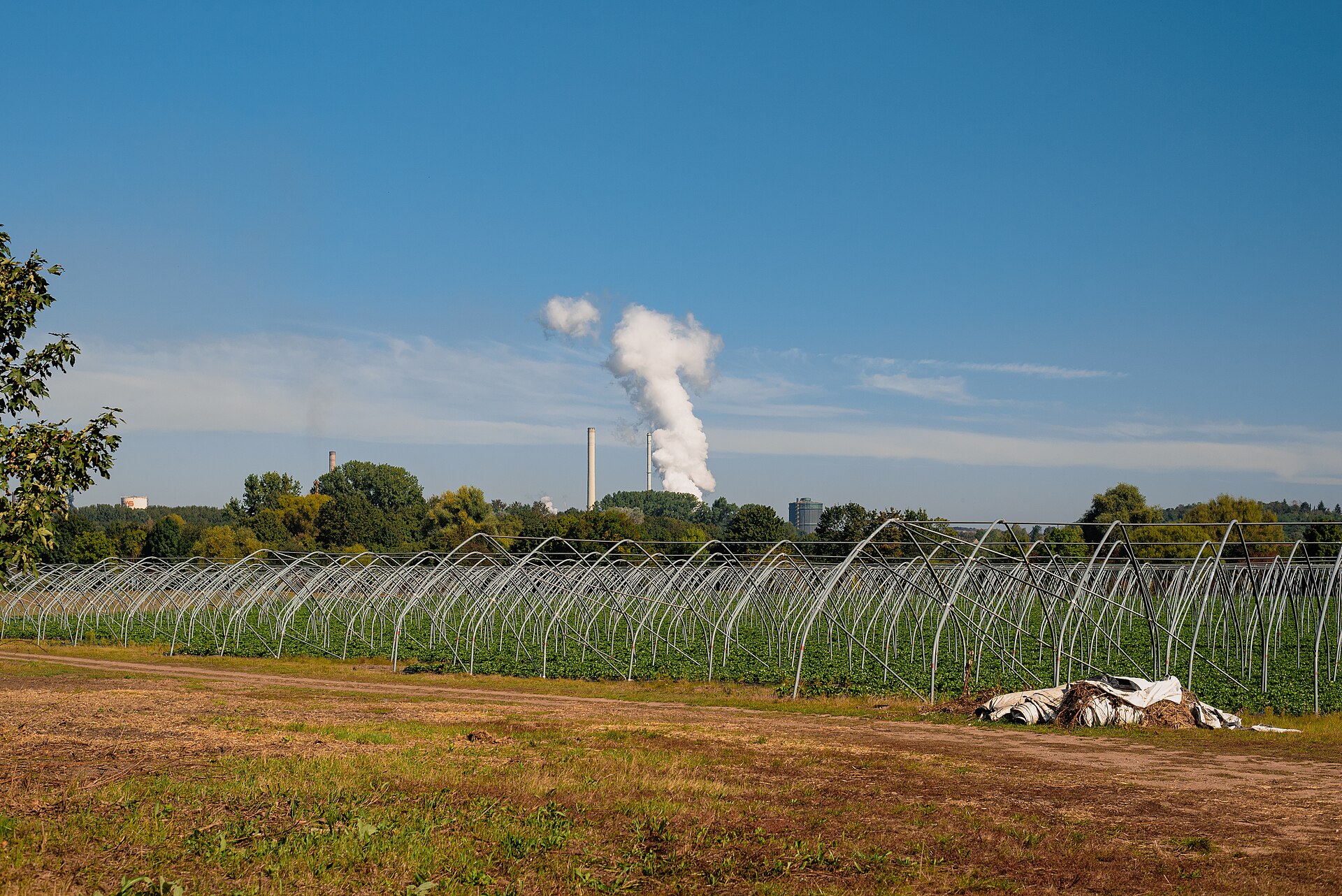
The cost cut is more valuable than the record
- Q2 zinc production cost
- $703 a tonne.The measure excludes royalty and was 29% lower than a year earlier.
- Revised FY27 cost guidance
- $825 to $850 a tonne.Management previously expected $975 to $1,000 a tonne.
- Silver sales
- ₹4,111 crore, up 141%.Silver sales were ₹1,706 crore in the year-earlier quarter.
Management reduced its full-year zinc production-cost guidance to between $825 and $850 a tonne, from between $975 and $1,000. The revision followed a 29% fall in the second-quarter cost, excluding royalty, to $703 a tonne. Better ore grades, higher output, renewable power and stronger by-product realisations contributed to the fall.
The cost guidance is the durable part of the result; the commodity windfall is not. A lower cost base gives Hindustan Zinc more protection if zinc or silver prices decline. Yet management also said favourable sulphuric-acid realisations helped the quarter, while geopolitical pressures added $50 a tonne to costs. Silver sales rose 141% to ₹4,111 crore, much faster than silver production. Investors therefore cannot treat the $703 figure as a new normal without separating operating improvements from unusually favourable selling prices.
Lower zinc costs can protect margins after metal prices weaken, but part of the quarterly saving came from favourable by-product realisations.
Expansion has financial room
- Cash and short-term investments
- ₹17,258 crore.The figure was reported at 30 September 2026.
- Total debt
- ₹6,655 crore.The figure was reported at 30 September 2026.
- FY27 capital expenditure plan
- ₹5,000 crore.Management expects spending to be weighted towards the third and fourth quarters.
At 30 September, Hindustan Zinc held ₹17,258 crore of cash and short-term investments against ₹6,655 crore of total debt. That leaves ample balance-sheet capacity for the company’s expansion programme, even before allowing for the cash generated by the quarter’s profit.
Management said second-quarter capital expenditure was ₹1,900 crore, comprising ₹1,200 crore of sustaining investment and ₹700 crore of growth spending. It retained an FY27 capital-expenditure plan of ₹5,000 crore, with more spending due in the second half. Engineering and procurement for a 250,000-tonne annual integrated zinc expansion were described as almost complete, while mine development was under way. The financial question is no longer whether Hindustan Zinc can afford the work. It is whether higher capital spending converts favourable ore grades and operating conditions into lasting additional output rather than merely coinciding with a strong commodity cycle.
The balance sheet can fund the planned investment, although heavier second-half capital spending will test cash conversion.
The contrary case is substantial
- Silver production guidance
- 680 tonnes.Management retained its full-year target on the earnings call.
- Silver contribution
- Approximately 45% of first-half profitability.Management described silver as contributing to first-half profitability.
The strongest case against caution is that Hindustan Zinc has improved both sides of the profit equation. Production rose, costs fell and management cut full-year cost guidance by $150 a tonne at both ends of the range. Management also said zinc inventories were low and the market faced supply constraints, while industrial demand was keeping silver in deficit.
If those conditions persist, the September quarter need not be a temporary peak. Silver production reached 173 tonnes in the quarter, and management retained full-year guidance of 680 tonnes. The company also said silver contributed approximately 45% of first-half profitability. A strong balance sheet allows Hindustan Zinc to expand without depending heavily on new borrowing. This case changes the conclusion by making a lasting margin improvement plausible. It does not remove the main risk: profit has become more dependent on silver and by-product prices precisely when those prices have delivered exceptional growth.
The strongest bullish case is that structural cost gains and constrained metal supply can keep profitability above its historical base.
The next quarter must separate skill from price
- Q2 EBITDA margin
- 62%.Management reported record quarterly EBITDA of ₹9,285 crore.
- First-half zinc production cost
- $776 a tonne.The measure excludes royalty.
Hindustan Zinc’s first-half zinc production cost was $776 a tonne, already below the revised full-year range. Management indicated that second-half costs would rise from the exceptionally low second-quarter level, even as it expected to meet the new annual guidance. That makes the guidance credible but not conservative by definition.
The third-quarter result will provide the first clean test. It must show whether ore grades, renewable energy use and higher production can offset input-cost pressure after the favourable by-product contribution changes. It must also show progress towards 680 tonnes of annual silver production while capital expenditure accelerates. A cost near the revised range, accompanied by higher output and disciplined spending, would support the view that earnings quality improved. A sharp cost rebound or weaker silver delivery would show that record profit depended more heavily on commodity conditions than the headline growth suggested.
The next quarterly result must show whether lower costs survive less favourable by-product prices and heavier capital expenditure.
Sources
- This information isn't available right now.
- This information isn't available right now.
- Hindustan Zinc Q2 net profit doubles to Rs 6,412 crore on higher metal prices, output- Moneycontrol.com · moneycontrol.com
- www.moneycontrol.com › news › businessHindustan Zinc Q2 profit surges 142% to Rs 6,412 crore, cuts ... · moneycontrol.com
- Hind Zinc eyes lower production costs after record Q2 profit, sales · infra.economictimes.indiatimes.com
- Hindustan Zinc Q2 Results: Profit jumps 142%, beats ... · cnbctv18.com
- Hindustan Zinc Q2 net profit surges 142% to ₹6,412 cr on record Ebitda · business-standard.com
- bseindia.com: financials results