The RBI removed the wording dispute
- Original listing deadline
- September 30, 2025Tata Sons was identified as an upper-layer NBFC on September 30, 2022.
- Fresh communication
- November 16, 2026The RBI explicitly included listing among the rules Tata Sons must follow.
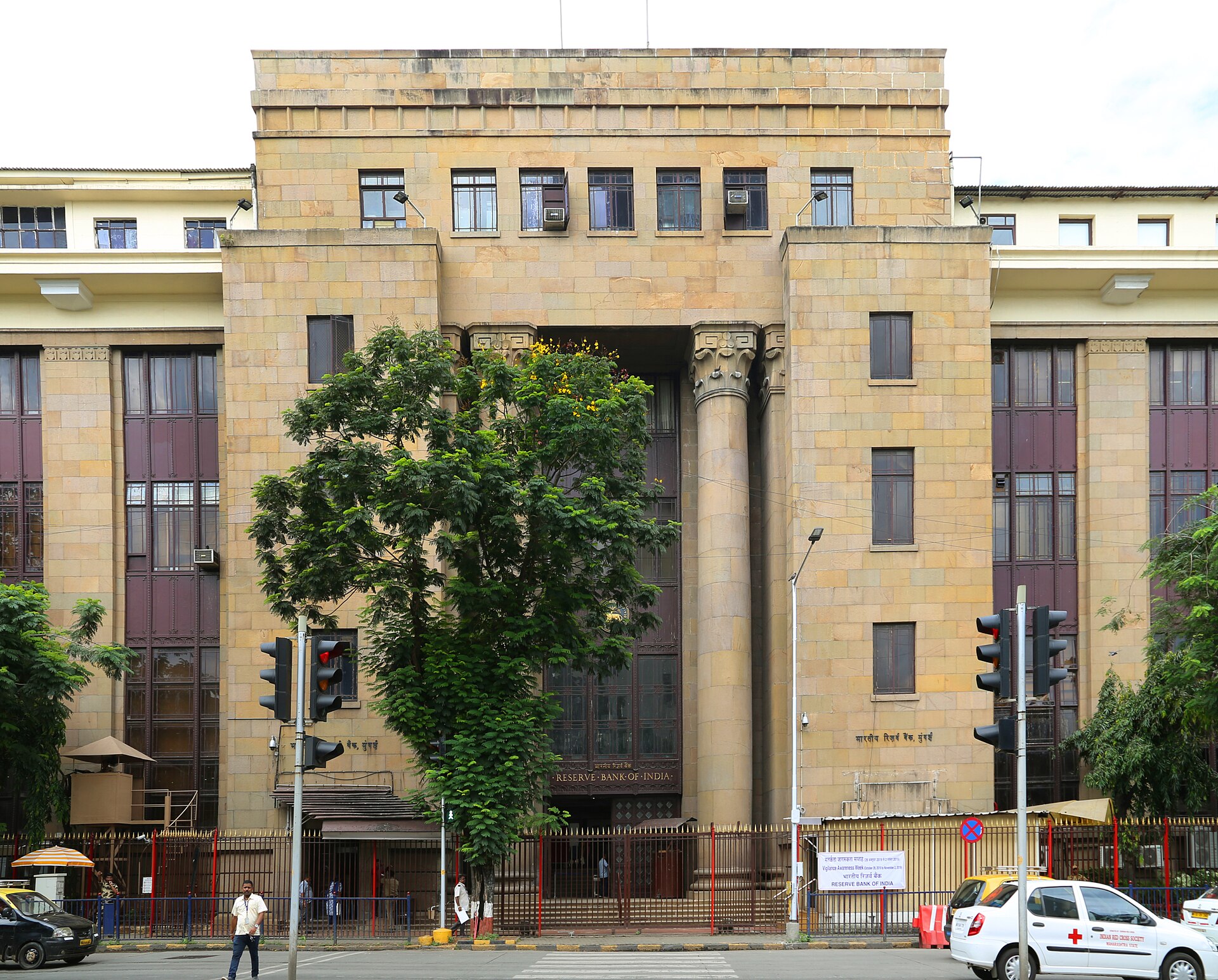
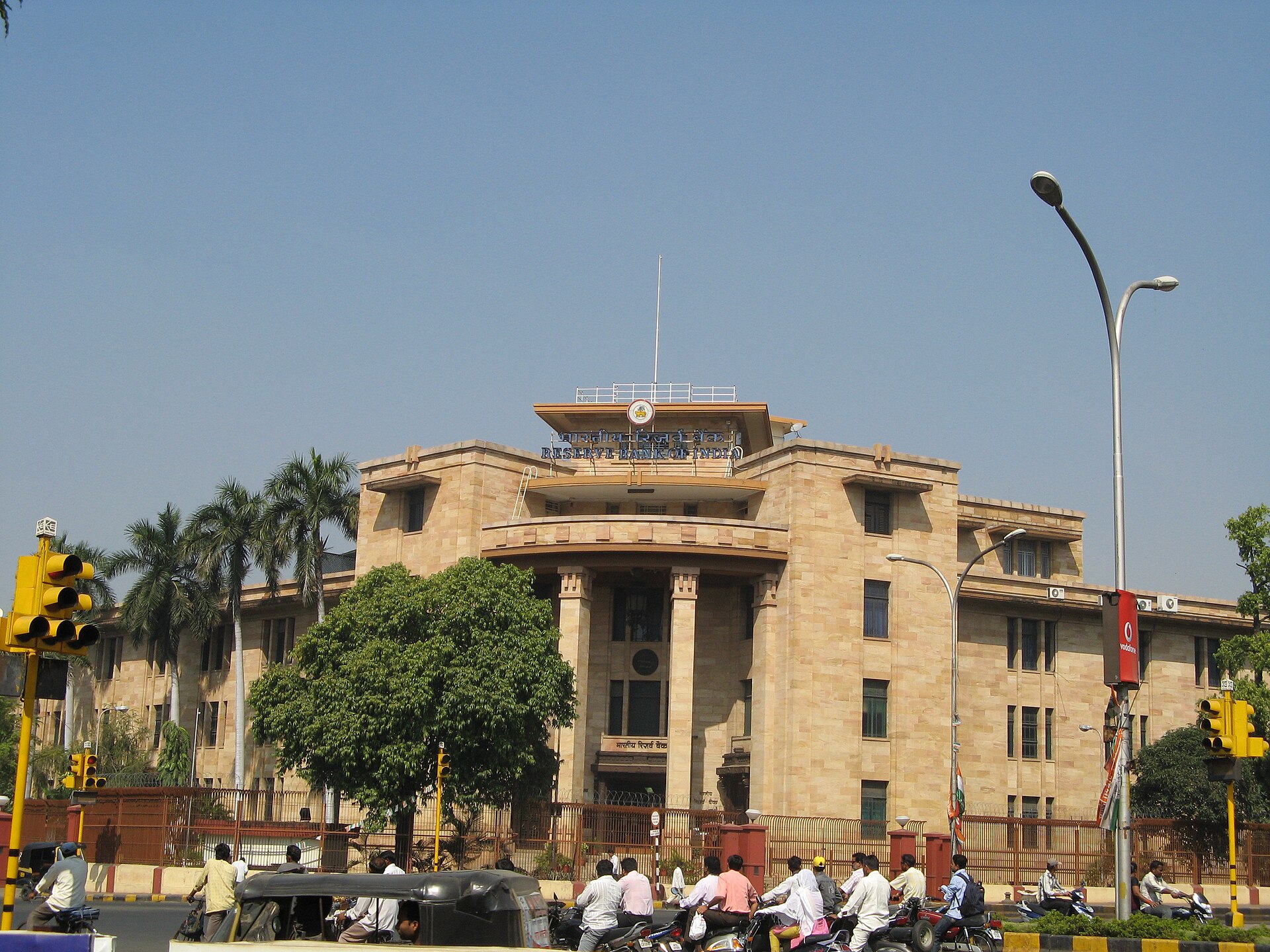
The Reserve Bank of India told Tata Sons on Monday to comply with all rules for upper-layer non-banking financial companies, “including the requirement of listing by your company”. Reuters, PTI and CNBC-TV18 reviewed the letter, which answered an October 6 request from Tata Sons for guidance. Tata Sons and the RBI did not respond to Reuters’ requests for comment.
An upper-layer non-banking financial company, or NBFC, is a large or systemically important financial company subject to tighter RBI supervision. The RBI’s rules require such a company to list within three years of identification. Tata Sons was identified on September 30, 2022, making September 30, 2025 its original deadline.
The letter matters because Tata Sons had argued for remaining private and applied to surrender its core investment company registration. The RBI rejected that application on September 11, 2026. Monday’s letter makes the regulator’s interpretation explicit, but it sets no new deadline and does not announce an initial public offering, which is the first sale of shares to public investors.
The RBI has removed doubt about whether the listing rule applies, but it has not announced a timetable or rejected Tata Trusts’ alternative restructuring.
A listing would make the stakes tradable; it would not by itself put cash into the listed holders.
Listing does not create cash
- Tata Chemicals direct stake
- 2.53%Based on 10,237 Tata Sons shares in the official FY26 annual return.
- Tata Investment direct stake
- 0.08%Based on 326 Tata Sons shares in the official FY26 annual return.
- Tata Chemicals share move
- +6.10%Closing change on November 17, 2026.
- Tata Investment share move
- +5.74%Closing change on November 17, 2026.
Seven listed Tata companies directly own shares in Tata Sons. Its official annual return shows Tata Steel and Tata Motors Passenger Vehicles holding 12,375 shares each, or 3.06% apiece. Tata Chemicals owns 10,237 shares, or 2.53%, while Tata Power owns 6,673 shares, or 1.65%. Indian Hotels and Tata Consumer hold 1.11% and 0.43%, respectively.
A listing would make the stakes tradable; it would not by itself put cash into the listed holders. They would have to sell shares, receive a special distribution or use the holding in another transaction. None has announced such a step. Tata Chemicals told the National Stock Exchange on Tuesday that it knew of no negotiations and could not assess any impact.
Tata Chemicals nevertheless closed 6.10% higher at ₹649.45, while Tata Investment rose 5.74% to ₹609.55. Tata Sons’ annual return records Tata Investment’s direct holding as 326 shares out of 4,04,146, or 0.08%. That is below the 0.25% figure repeated in several market reports, making its direct financial exposure smaller than the rally suggested.
The listed companies gain a possible route to sell their Tata Sons shares, but their earnings and cash flow do not change until a transaction occurs.
Tata Sons does not need new capital
- Standalone net worth
- ₹1.79 lakh croreAs at March 31, 2026.
- Cash and cash equivalents
- ₹21,841.48 croreUp from ₹7,137.24 crore a year earlier.
- FY26 standalone profit
- ₹31,961.11 croreUp from ₹26,231.74 crore in FY25.
Tata Sons’ balance sheet does not show an obvious need to raise fresh equity. Its FY26 annual report records standalone net worth of ₹1.79 lakh crore, cash and cash equivalents of ₹21,841.48 crore and no borrowings at March 31. Standalone profit rose to ₹31,961.11 crore from ₹26,231.74 crore, although ₹6,530.64 crore came from gains on investment sales.
Those figures leave several possible listing structures. Tata Sons could issue new shares, existing owners could sell shares, or both could happen. The RBI letter does not choose among them. A sale by an existing shareholder transfers cash to that seller, while a primary issue brings cash into Tata Sons.
Ownership therefore matters more than the word “listing”. Seven Tata charitable trusts own 65.29% of Tata Sons. Two Shapoorji Pallonji companies own 74,244 shares, or 18.37%, and have sought liquidity. A public float could be created without dislodging the trusts’ majority, but the size, sellers and use of proceeds remain unknown.
Tata Sons has the resources to choose the form of any listing, so the RBI letter does not determine who would sell shares or receive cash.
The case for a near-term listing is credible
The strongest case against caution is that the RBI has now removed the argument that its earlier correspondence did not expressly demand a listing. The regulator rejected deregistration in September and named listing in its November 16 letter. Tata Sons has already passed the three-year deadline, so continued delay leaves an unresolved breach of a rule that the RBI calls mandatory.
Tata Trusts’ alternative is also uncertain. Reports say the trusts want Tata Electronic Systems Solutions and Tata Consulting Engineers merged into Tata Sons, adding operating businesses that could take the holding company outside the core investment company definition. The proposal needs approval from the Tata Sons board and a no-objection from the RBI. Neither has been obtained.
A listing would give minority shareholders a quoted exit and expose Tata Sons to public-market disclosure and governance rules. It would also establish a market price for the stakes owned by listed Tata companies. These benefits make the RBI letter consequential. They do not, however, establish an IPO date, valuation or sale by any listed shareholder.
The strongest opposing view is that repeated RBI action and an expired deadline make a listing substantially more likely, even without a newly stated date.
The board must choose a route
- Next board meeting
- November 26, 2026Listing, restructuring and Shapoorji Pallonji liquidity are expected to be considered.
- Proposed SP liquidity plan
- ₹25,000 croreReported capital reduction involving cancellation of some SP-held shares.
Tata Sons’ November 26 board meeting is the first concrete test of the RBI letter. Reports say directors are expected to consider the trusts’ merger proposal and a plan to provide the Shapoorji Pallonji group with ₹25,000 crore through a capital reduction, under which Tata Sons would purchase and cancel some of the group’s shares.
The two proposals lead to different outcomes for listed investors. A restructuring that satisfies the RBI could preserve Tata Sons’ private status and leave the listed companies with illiquid holdings. A listing process could give those holdings an observable price and a route to sale, but it would still require decisions on public-company conversion, offer structure and which shareholders participate.
The likelier conclusion from the evidence is narrower than Tuesday’s share moves imply. The RBI has increased the probability of a listing by stating the obligation plainly, but it has not created distributable value for Tata Chemicals or the other listed holders. A board resolution to begin an IPO, or an RBI decision on the proposed merger, would settle which route is real.
The November 26 board meeting will show whether Tata Sons starts a listing process or continues seeking a structure that keeps it private.
Sources
- reuters.com: india central bank tells tata sons comply with listing rule letter shows 2026
- Master Directions · rbi.org.in
- Master Directions · rbi.org.in
- Tata Sons Private Limited · tata.com
- Form No. MGT-7 Form language - The Tata group · tata.com
- November 17, 2026 NSE Surveillance National Stock Exchange of India ... · nsearchives.nseindia.com
- Exclusive: RBI tells Tata Sons to comply with listing norms · cnbctv18.com
- RBI tells Tata Sons to comply with listing requirement ahead of Nov 26 board meet- Moneycontrol.com · moneycontrol.com