Foreign money lifted India against Asia
- Nifty 50
- 25,800.60, up 1.12%Close on 20 November 2026; NSE.
- Weekly return
- 2.61%Week ended 20 November 2026; NSE.
- Foreign inflows
- $12.21 billionNovember 2026 through 20 November; Reuters, citing depository data.
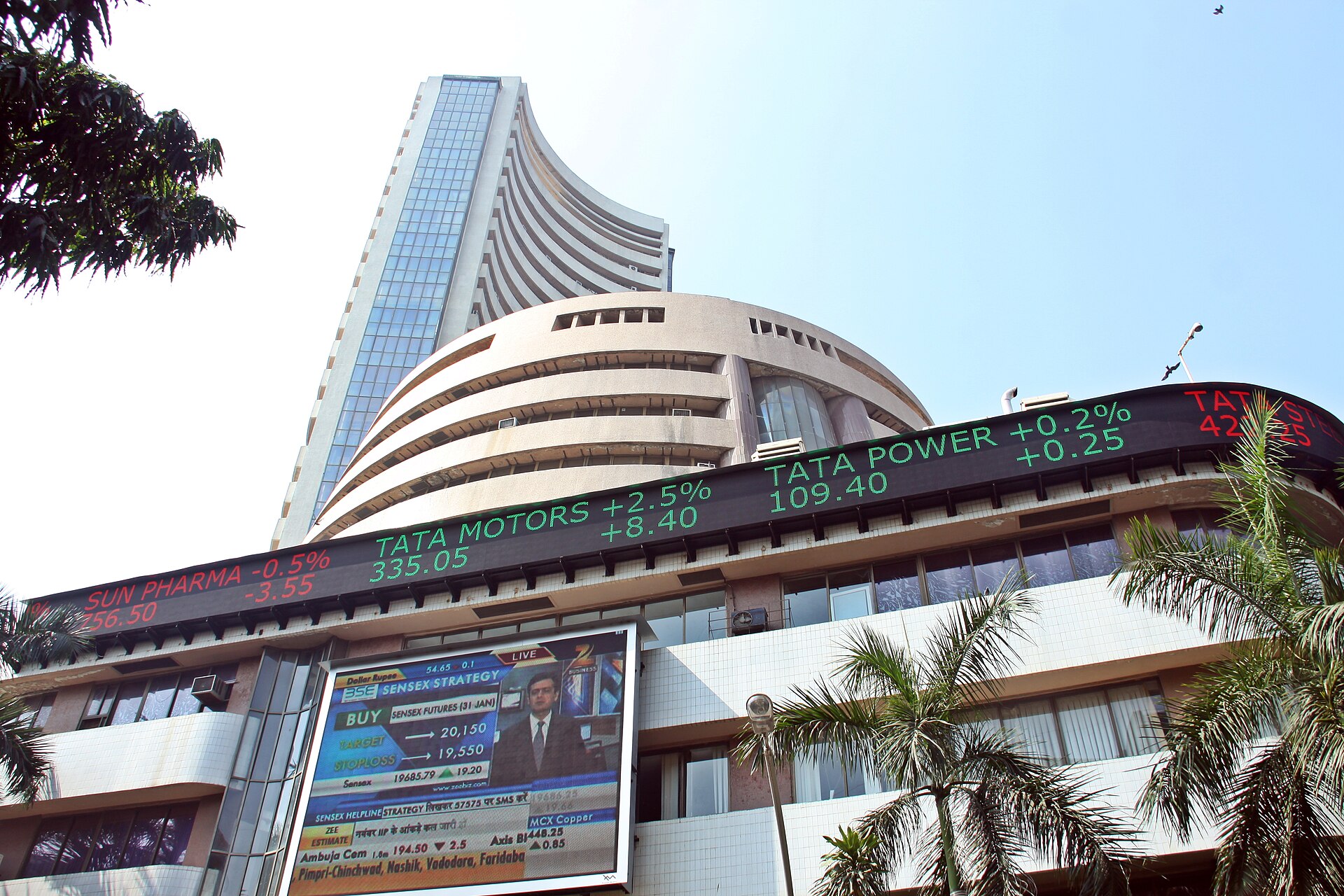
The Nifty 50 rose 286.30 points, or 1.12%, to 25,800.60 on Friday, November 20, according to the National Stock Exchange. The index gained 2.61% over the week and closed at a nine-month high, while the Sensex added 1.08% on Friday to 83,919.71.
The move ran against the global direction. Reuters reported that MSCI’s broad Asia-Pacific index fell 3.3% on Friday as investors reduced holdings in artificial intelligence-linked markets, while foreign investors’ net purchases of Indian equities reached a record $12.21 billion for November so far.
The evidence supports a portfolio-rotation explanation. India offers a large and liquid equity market without the semiconductor concentration found in South Korea and Taiwan, so global funds seeking less dependence on AI investment can redirect money into Indian large-cap shares quickly.
Foreign buying explains the index gain better than a broad improvement in Indian shares. The Nifty Smallcap 100 fell 0.13% on Friday even as the Nifty 50 advanced, according to NSE data.
Friday’s rise was unusual because Indian shares gained as investors sold other Asian markets, supporting the case that foreign portfolio rotation drove the move.
Foreign buying explains the index gain better than a broad improvement in Indian shares.
The AI sell-off changed relative demand
- Asian equities
- Down 8.5%Week ended 20 November 2026; Reuters, citing the MSCI Asia-Pacific index.
- Brent crude
- Down 23%November 2026 through 20 November; Reuters.
- Rupee threshold
- Strengthened past ₹93 per dollar20 November 2026; Reuters.
The immediate global driver was the fall in AI-linked shares. Reuters reported that Asian equities had their worst week since 2020, while the Nifty rose because investors shifted towards markets less tied to spending by large technology companies on data centres, chips and software.
Alexander Redman, chief equity strategist at CITIC CLSA, told Reuters that the need to diversify from technology-heavy markets was currently a stronger force than India’s domestic attractions. William Blair portfolio manager Todd McClone said he had cut technology exposure and added Indian financial, healthcare and consumer shares.
Lower oil reinforced the shift. Brent crude futures fell 23% in November through Friday, according to Reuters. Cheaper oil reduces India’s import bill and demand for dollars, which supports the rupee and improves foreign investors’ returns when measured in their home currencies.
The rupee consequently strengthened past ₹93 per dollar for the first time since April. The equity inflow, lower oil price and stronger currency therefore supported one another, although none is guaranteed to persist.
The global AI sell-off created the trigger, while cheaper oil and a firmer rupee reduced two longstanding reasons for foreign investors to avoid India.
Banks carried most of the gain
- Nifty Bank
- 64,635.20, up 2.49%Close on 20 November 2026; NSE.
- Bank index weekly move
- Up 5.9%Week ended 20 November 2026; Reuters.
- Nifty Smallcap 100
- Down 0.13%Close on 20 November 2026; NSE.
Banks provided the clearest evidence of where foreign money went. The Nifty Bank rose 2.49% to 64,635.20 on Friday, while the broader Nifty Financial Services index gained 2.02%, NSE data show. Reuters reported that banks rose 5.9% over the week and reached a record high.
Large banks give overseas funds the liquidity needed to change country allocations without taking substantial small-company risk. Their relatively direct exposure to domestic credit also offers an alternative to the AI capital-spending cycle affecting semiconductor and technology markets.
The rally was narrower below the headline indices. The Nifty Smallcap 100 slipped 0.13% on Friday, and Reuters said small-caps fell 1.1% over the week while mid-caps were little changed. Twelve of the 16 major sectors still recorded weekly gains, but banks and financial companies had a disproportionate effect on the benchmarks.
The likelier explanation is therefore institutional allocation rather than a uniform reassessment of Indian corporate earnings. The distinction matters because large foreign orders can lift index-heavy banks even when demand for less liquid shares remains cautious.
The leadership of banks and the weakness of smaller companies show that the rally followed the liquidity needs of foreign institutions rather than lifting the whole market equally.
The stronger fundamental case
- Nifty valuation
- 20.78 timesExchange-displayed P/E at the close on 20 November 2026; NSE.
- Previous foreign selling
- More than $60 billionSeptember 2024 through October 2026; Reuters.
- Nifty monthly return
- More than 11%November 2026 through 20 November; Reuters.
The strongest case against a rotation-led explanation is that Indian fundamentals have improved at the same time. Reuters reported that the 50 largest listed companies produced their strongest quarterly profit growth in more than four years in the September quarter, prompting analysts to increase earnings forecasts.
Lower oil also has a direct economic benefit rather than merely changing investor preferences. It can reduce the import bill, ease pressure on inflation and the rupee, and lower input costs for companies using fuel, metals and petrochemical products. Autos gained 3.1% over the week, helped by lower input costs and festival sales, Reuters reported.
The Nifty’s exchange-displayed price-to-earnings ratio was 20.78 at Friday’s close. That valuation does not by itself prove the market is expensive or cheap, but an index gain of more than 11% during November leaves less room for earnings to disappoint.
The fundamental evidence changes the conclusion, but not completely. Improving profits and cheaper oil make India more than a temporary refuge, yet foreign investors had sold more than $60 billion from September 2024 through October 2026. One month does not establish a lasting reversal.
Better earnings and cheaper oil give the advance some fundamental support, but the evidence does not yet show that foreign investors have made a lasting change to their India allocations.
Earnings must now support the inflow
- Nifty breadth
- 32 advances and 18 declinesClose on 20 November 2026; NSE.
- Nifty intraday range
- 25,345.20 to 25,808.80Trading session on 20 November 2026; NSE.
- Nifty year-to-date return
- Down 1.32%Through 20 November 2026; NSE.
Friday’s close showed firm demand but not unquestioned confidence. The Nifty opened lower at 25,368.00, fell to 25,345.20 and then finished near its intraday high of 25,808.80, according to NSE data. Thirty-two constituents advanced and 18 declined.
The market remains vulnerable to the forces that created the rally. A recovery in AI-linked Asian shares could draw allocations back towards semiconductor markets. Higher oil prices would increase India’s dollar demand, while renewed rupee weakness would reduce foreign investors’ returns.
There is also a domestic test. Gary Tan of Allspring Global Investments told Reuters that his firm did not yet see a durable change in investors’ long-term view of India, partly because AI could disrupt labour-intensive service industries and weaken employment, incomes and consumption.
The decisive evidence will come from the December-quarter reporting season. Sustained profit growth and positive forecast revisions would support a lasting increase in foreign allocations; weaker results would leave November’s record inflow looking mainly like diversification from a global AI sell-off.
December-quarter earnings and subsequent forecast revisions will show whether the inflow has moved from short-term diversification to a sustained judgement on Indian profits.
Sources
- NSE - National Stock Exchange of India Ltd: Live Share/Stock Market ... · nseindia.com
- NSE - National Stock Exchange of India Ltd: Live Share/Stock ... · nseindia.com
- India's AI-free appeal draws record foreign buying, earnings will decide if it lasts · reuters.com
- Indian shares rise for fourth straight week as AI rout deepens · marketscreener.com
- Autos, financials power India market rally, defying broader Asia decline · reuters.com